Cultural Differences in Eulogy Writing. What Changes and What Stays the Same
Every culture grieves differently. Understanding those differences can help you write something that truly fits.
If you're not sure where to begin, read our complete guide to writing a eulogy.
Not every funeral includes a eulogy, and not every culture treats eulogies the same way. In some traditions, a personal speech from a family member is the emotional centre of the service. In others, the focus is on prayer, scripture, or silence, and a personal eulogy may not be expected or even welcome. If you have been asked to speak at a funeral that follows a tradition different from your own, the most important thing you can do is ask the family or the person leading the service what is appropriate.
That said, the heart of a eulogy is the same everywhere. Someone stands up and says: this is who they were, this is what they meant, and this is what we have lost. The words change, the customs change, the setting changes. But the purpose does not. The one thing almost every culture agrees on is that brevity matters, and getting the length right is part of respecting the room.
Table of Contents
- Do all cultures include eulogies at funerals?
- How do Christian funerals handle eulogies?
- What about eulogies in Jewish, Muslim, Hindu, and Buddhist traditions?
- What if the family follows a tradition you are not familiar with?
- Are there things you should never say in certain cultural contexts?
- What stays the same across every culture?
- Frequently Asked Questions
Do all cultures include eulogies at funerals?
No. The personal eulogy as most English-speaking countries understand it, where a family member or friend stands up and tells stories about the person, is largely a Western and particularly an Anglo tradition. It is common in the US, the UK, Australia, Canada, Ireland, and New Zealand. But even within those countries, the role of the eulogy varies depending on the family, the faith, and the type of service.
In a secular or non-denominational funeral, the eulogy is usually the main event. The whole service may be built around personal speeches, with music and readings filling the gaps.
In a religious service, the eulogy may be one part of a larger liturgical structure, and it may be subject to rules about length, content, or placement. Some churches welcome personal stories. Others prefer that the eulogy focus on the person's faith rather than their personality.
"I was asked to speak at my aunt's funeral, which was a full Catholic Mass. The priest was lovely but very clear: keep it short, keep it reverent, and no jokes. It was not what I had planned, but I adjusted. The family appreciated it."
If putting this into words feels like too much right now, lean on us. To show you what we can do, here is an excerpt from one of the eulogies we have written:
“Right then, we'll have fish.”
“Right then, I'll ring Dorothy.” “Right then, Peter's finally passed his driving test and we're all still alive.”
That was Mum. Philippa Woodridge to the world, Pippa to those who loved her, but to me she was simply the woman who could end any debate in the universe with two words: “Right then.”…
Read the whole eulogy here →Answer a few questions about them, and we will show you a preview of their eulogy, written from your own memories. Seeing it costs nothing. You only pay if you want the complete eulogy.
See a Free PreviewFree preview. $37 only if you want the complete eulogy.
Most people finish in about 15 minutes.
If the eulogy doesn't feel right, just email us. We'll help.
How do Christian funerals handle eulogies?
It depends on the denomination, and sometimes on the individual church or priest.
In most Protestant services, including Anglican, Methodist, Baptist, and non-denominational churches, eulogies are welcomed and often encouraged. They are usually delivered after the opening prayers and hymns, and the speaker has reasonable freedom with tone and content.
In Catholic funeral Masses, the rules are more specific. The Church's official position is that the homily should focus on the Paschal Mystery and the person's faith, not on personal anecdotes. Some parishes follow this strictly, and personal tributes are delivered before or after the Mass rather than during it. Others are more flexible and allow a brief eulogy within the service. Always check with the priest beforehand.
In Orthodox Christian funerals, the service is highly liturgical and a personal eulogy is generally not part of the formal rite. Tributes may be offered at the graveside or at the reception afterwards.
The key in any Christian context is to ask. Call the church, speak to the officiant, and find out what is expected. A two-minute conversation saves you from an uncomfortable surprise on the day.
What about eulogies in Jewish, Muslim, Hindu, and Buddhist traditions?
Jewish funerals often include a hesped, which is a eulogy or memorial address. It is a respected part of the tradition and is usually delivered by a rabbi, a family member, or both. The hesped focuses on the person's character, their relationships, and their contributions. It is expected to be honest rather than idealised. During shiva, the mourning period that follows, visitors share memories and stories more informally.
Muslim funerals (janazah) are typically brief and prayer-focused. A personal eulogy in the Western sense is not part of the janazah prayer service. However, it is common for someone to speak about the person's character and faith either before the prayer or at a gathering afterwards. The tone should be respectful and the focus should be on the person's good deeds and their relationship with God.
Hindu funerals vary widely depending on region, community, and family practice. The funeral rites are led by a priest and centred on prayers and rituals. Personal tributes are more common at memorial gatherings after the cremation than during the ceremony itself. If you are asked to speak, keep it short and respectful of the ritual setting.
Buddhist funerals also vary by tradition. In some Buddhist communities, personal reflections are welcomed as part of the service. In others, the focus is on chanting, meditation, and religious readings. If you are unsure, ask the family or the monk leading the service.
"My colleague was Sikh, and I was asked to say a few words at the memorial after the funeral. I had no idea what was appropriate. I called his brother, who told me exactly what to say and what to avoid. He was glad I asked."
What if the family follows a tradition you are not familiar with?
Ask. It is that simple, and nobody will think less of you for it. Call the family, the funeral director, or the person leading the service. Three questions will tell you everything you need:
Heartfelt Recommendation
Ways to honour their memory
A small collection of funeral favours, keepsakes, ideas, books and communities — to help you find your way through grief, and back to life.
Browse the collection →- Is a personal eulogy part of this service?
- How long should it be?
- Is there anything I should avoid saying?
Most families will be grateful you asked rather than guessing. Getting the tone or the format wrong at a funeral is uncomfortable for everyone, and it is entirely avoidable.
If the tradition does not include a eulogy during the service, you can still write one. Many families hold a reception, a wake, or a memorial gathering afterwards where personal speeches are welcomed and often deeply appreciated.
Are there things you should never say in certain cultural contexts?
There are no universal rules, but a few things are worth being aware of.
In many religious traditions, saying something like "they are in a better place" or "they are looking down on us" may not align with the family's beliefs about the afterlife. In some faiths, the afterlife is a matter of prayer and hope, not certainty. If you are not sure what the family believes, avoid making claims about where the person is now and focus on who they were here.
In some cultures, speaking too openly about the cause of death is considered inappropriate, especially if the death was sudden, violent, or involved stigmatised circumstances. Follow the family's lead. If they have not mentioned it, you should not either.
In cultures where modesty and restraint are valued, an emotional, dramatic eulogy may feel out of place. A quieter, more measured tone will land better. Conversely, in traditions where open grief is expected and encouraged, holding back may feel cold.
"I was going to say 'she is watching over all of us right now.' Then I remembered the family was Jewish and that idea does not quite fit the tradition. I changed it to 'her kindness is still here in this room, in every one of us.' It said the same thing without stepping on anyone's beliefs."
What stays the same across every culture?
The need to be seen. Every culture, every faith, every family has the same basic need when someone dies: for the person to be remembered, for their life to be honoured, and for the people who loved them to feel less alone.
A eulogy, whether it is a formal hesped, a brief tribute at a wake, a few words whispered at the graveside, or a speech in a packed church, is always the same act at its core. You are saying: this person was here, they mattered, and I want you to know who they were.
If you keep that at the centre, the cultural details become something you work around, not something you fear. Ask the family, respect the setting, and then say what is true. That is a eulogy in any culture.
If you want help shaping your memories into a eulogy that fits the service, EulogyCraft lets you choose whether the eulogy should be secular, spiritual, or grounded in a specific faith. The result is tailored to the tone and traditions of the service, not a one-size-fits-all template.
Give them a tribute that sounds just like them.
If putting this into words feels like too much right now, lean on us. To show you what we can do, here is an excerpt from one of the eulogies we have written:
“We'll see, hon.”
If you heard those words from Rony Tartley, you already knew. The case was closed. The matter had been decided. You were simply the last one to find out.
I'm Margaret. His wife. And I want to say, for the record, that I fell for it every single time.…
Read the whole eulogy here →Answer a few questions about them, and we will show you a preview of their eulogy, written from your own memories. Seeing it costs nothing. You only pay if you want the complete eulogy.
See a Free PreviewFree preview. $37 only if you want the complete eulogy.
Most people finish in about 15 minutes.
If the eulogy doesn't feel right, just email us. We'll help.
🔒 Secure 256-bit encrypted payment
Frequently Asked Questions
Can I give a eulogy at a funeral for someone of a different faith than mine?
Yes. You do not need to share the person's faith to speak at their funeral. What you do need is to respect it. Avoid language that contradicts their beliefs, check with the family about what is appropriate, and focus on who the person was rather than on your own spiritual views.
Is it okay to mention God in a eulogy if the person was not religious?
Only if it would feel natural and honest. If the person was not religious and the service is secular, bringing God into the eulogy can feel jarring to the room. Focus on the person and the life they lived. If you want to acknowledge something larger than yourself, phrases like "wherever they are now" or "whatever comes next" are gentler alternatives.
What if I accidentally say something culturally inappropriate during the eulogy?
Keep going. The room will forgive a well-intentioned mistake far more easily than you might think. If you realise afterwards that something landed wrong, a quiet word to the family is enough. "I hope I got the tone right. If anything felt off, I am sorry." Most families will reassure you and be grateful you cared enough to ask.
Should I wear something specific depending on the culture?
Dress codes vary. In most Western funerals, dark or muted clothing is expected. In Hindu and some Buddhist traditions, white is the colour of mourning. In some cultures, bright colours are welcomed as a celebration of life. When in doubt, ask the family. A quick question about what to wear shows respect and avoids embarrassment.
How do I write a eulogy for a multicultural family?
Focus on the person, not the culture. If the family spans multiple traditions, the safest path is a warm, personal, non-denominational eulogy that tells real stories and speaks to shared love. Avoid religious language unless the family has specifically requested it. Let the officiant handle the faith elements, and let your eulogy handle the human ones.
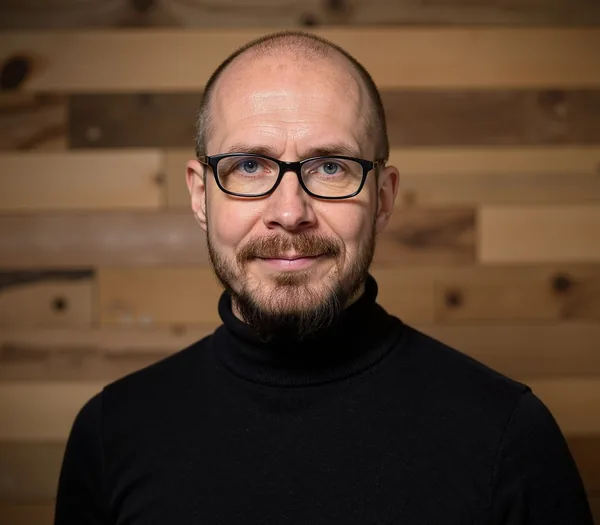
Written by Karel
Founder of EulogyCraft and Gentle Tributes. Karel has been helping families find the right words for over ten years.